Caramelized Peach Sauce
Caramelized Peach Sauce
Brew and Feed
6
5 minutes
10 minutes
161
American
Dessert
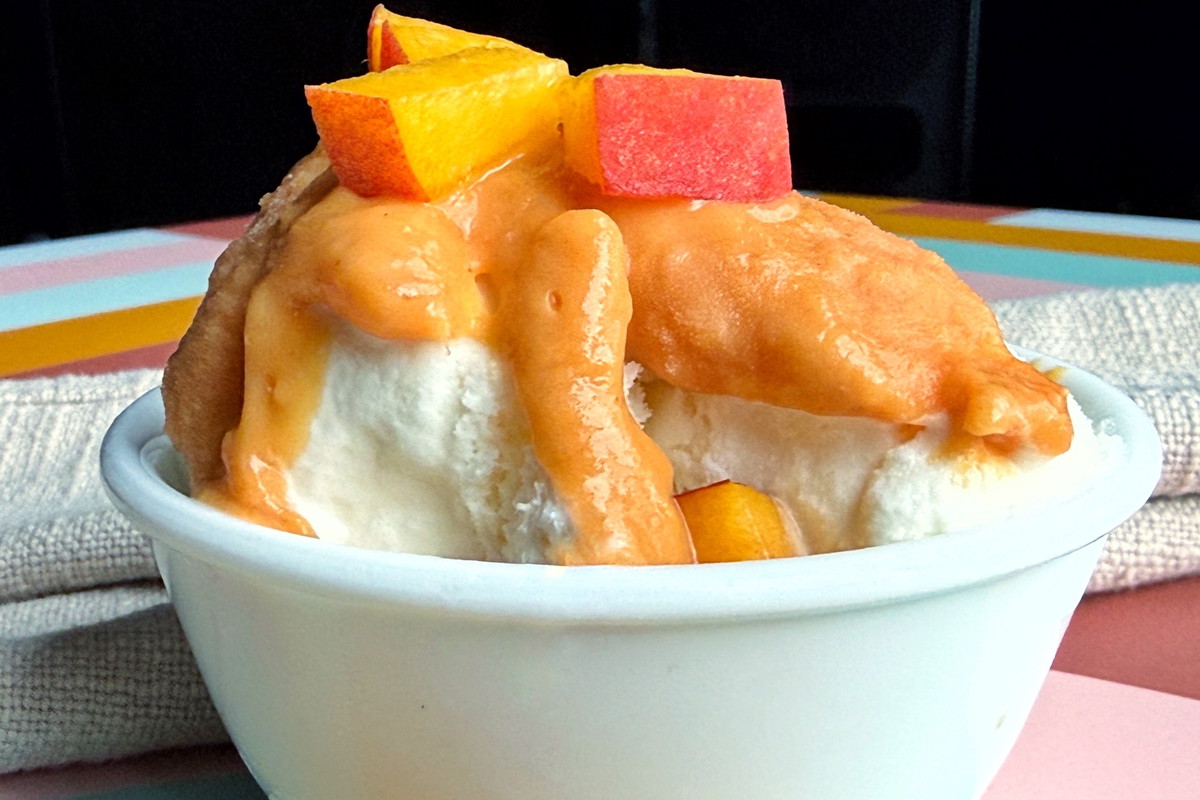
This caramelized peach sauce belongs to a specific culinary category known as a chunky fruit compote. While smooth fruit sauces (coulis) are strained into uniform purees, a compote keeps pieces of the fruit intact within a concentrated syrup. However, this variation elevates the traditional style by merging it with a warm caramel emulsion—blending the natural pan juices released by the cooking fruit with melted butter and heavy cream to create a rich, velvety toffee binder.
A History of Fruit and Sugar
The tradition of cooking fruit in a sweetened base stretches back centuries, evolving through a mix of medicinal beliefs, preservation needs, and indulgent culinary reinventions.
Medieval Europe & the French Origin: The concept of the compote—derived from the Latin compositus, meaning "mixture"—grew out of medieval Europe and was popularized in 17th-century France. During this era, physicians believed that cooking raw fruit in a warm sugar syrup was necessary to "balance the humors" and counteract the damp, cold effects of raw fruit on the body. It was initially served as a light afternoon snack alongside sour cream and biscuits.
The Sugar Revolution: Before the widespread availability of granulated sugar, early fruit sauces relied on honey or grape must. As the global sugar trade expanded in the 17th and 18th centuries, chefs realized that simmering fruit directly in melting sugar created an entirely new texture: the fruit would soften and glaze, while its escaping water thinned the cooking sugar into a glossy, intensely flavored syrup.
The American Flambé & Modern Decadence: In the mid-20th century, the pairing of fruit, caramelized brown sugar, and spirits became an American culinary sensation. The most notable cousin to this recipe is Bananas Foster, created in 1951 by Chef Paul Blangé at Brennan's restaurant in New Orleans. Built on an abundance of imported fruit, that iconic dish solidified the technique of sautéing sliced fruit in butter, brown sugar, and rum before serving it warm over ice cream—a direct conceptual ancestor to this caramelized peach topping.
Today, this technique remains a favorite of pastry chefs because it relies entirely on the natural interaction of heat, fat, and sugar to extract maximum flavor from the fruit without needing artificial thickeners.
Ingredients
- 4 large ripe but firm peaches, washed, pitted, and sliced into 1/2-inch thick wedges or bite-sized chunks
- 3 tbsp unsalted butter
- 1/4 cup light or dark brown sugar, packed
- 1/2 tsp pure vanilla extract
- 1/4 tsp kosher salt, or a pinch of flaky sea salt; add a tiny extra pinch if using dark brown sugar
- 3 tbsp heavy whipping cream, liquid, unwhipped
Directions
Prepare the peaches: Slice the peaches into even 1/2-inch wedges. Leave the skins on for color and texture, or blanch and peel them first if you prefer a perfectly smooth topping.
Build the caramel base: Melt the butter in a large skillet over medium heat. Once melted, stir in the brown sugar, vanilla extract, and salt. Cook for about 1 to 2 minutes until the mixture is bubbling and the sugar begins to dissolve into a thick paste.
Caramelize the peaches: Add the peach slices to the skillet. Gently toss them to coat in the sugar mixture. Let them cook, stirring occasionally, until the peaches soften, release their natural juices, and the sauce turns a deep, golden-brown color. TIP: Use a potato masher to break up the peaches.
Finish the sauce: Reduce the heat to low, pour in the heavy cream and stir vigorously. The cream will blend with the fruit juices and melted sugar to create a smooth, glossy, pourable caramel sauce. Remove from heat.
Puree
If you want a silky smooth sauce puree it.
Option A (Immersion/Hand Blender): Leave the mixture in the skillet (or transfer to a deep bowl to prevent splattering). Submerge the hand blender completely and blend on high until the sauce is entirely smooth and glossy.
Option B (Traditional Stand Blender): Let the sauce cool for 5 minutes. Transfer it to the blender jar. See crucial safety note below before turning it on. Blend on medium-high until completely smooth.
⚠️ CRITICAL BLENDER SAFETY WARNING:
Hot liquids expand rapidly inside a traditional stand blender, creating trapped steam that can violently blow the lid off and cause severe burns. If using a stand blender, never fill it more than halfway. Remove the center plastic cap from the blender lid and tightly cover the opening with a folded, clean kitchen towel. Hold the towel down firmly with your hand while blending to allow steam to escape safely.