Creamy Lemon-Dill Sauce
Rated 5.0 stars by 1 users
Author:
Brew and Feed
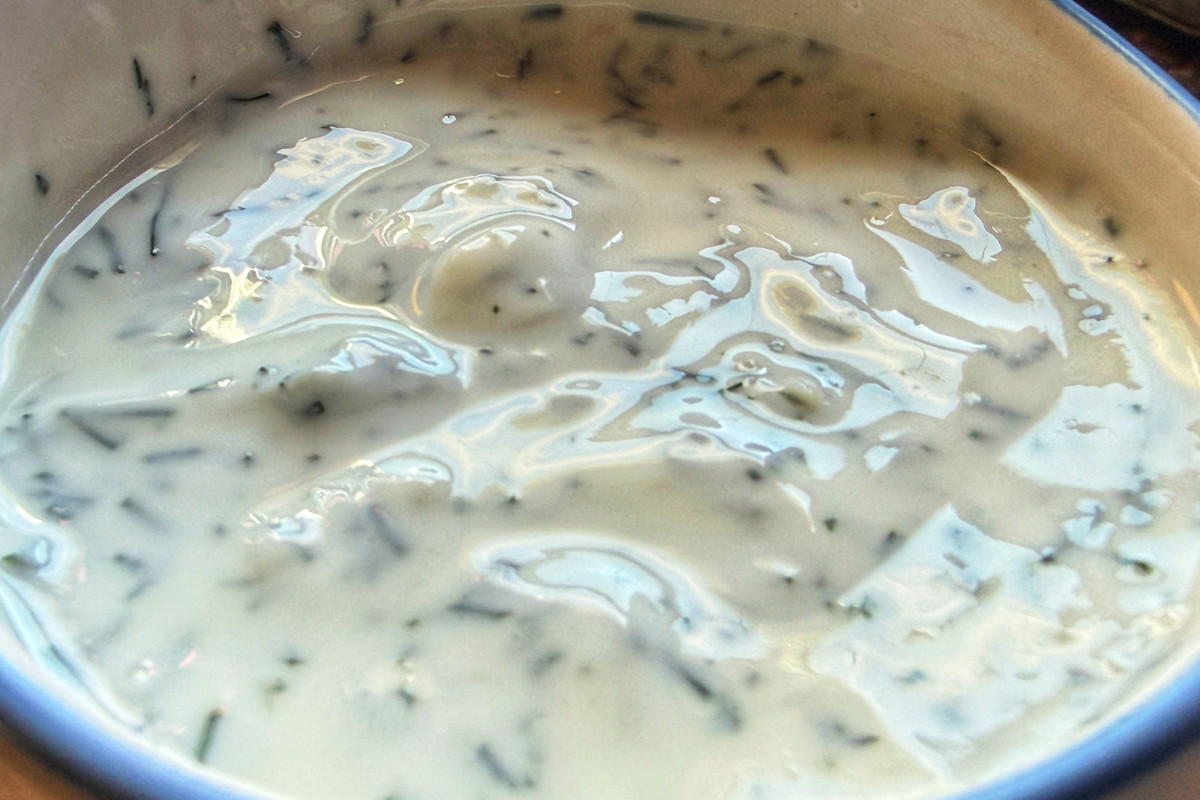
Need a gourmet touch without the gourmet effort? This Creamy Lemon-Dill Sauce is the ultimate "secret weapon" for your kitchen arsenal. Whether you’re looking to brighten up a piece of grilled salmon, add a cooling element to spicy gyros, or simply elevate your veggie platter, this 5-minute wonder delivers a punch of Mediterranean-inspired flavor with zero cooking required.
The magic lies in the contrast: the tang of the Greek yogurt plays perfectly against the aromatic, grassy notes of fresh dill and the sharp citrus "zing" of lemon. It’s light, refreshing, and remarkably versatile.
Ingredients
-
1 cup Greek yogurt (or sour cream for more richness)
-
1/4 cup Fresh dill, finely chopped (stems are okay if they're tender!)
-
1 tbsp Lemon juice (plus a little zest for extra zing)
-
1 clove Garlic, minced or grated
-
Salt & Pepper to taste
Directions
Prep the Dill: Wash your dill thoroughly and pat it dry. Chop it finely so the oils release into the sauce.
Combine: In a small bowl, whisk the yogurt, lemon juice, and garlic until smooth.
Fold: Stir in the fresh dill.
Chill: If you have the time, let it sit in the fridge for 30 minutes. This allows the garlic and dill to "marry" with the dairy.
Recipe Note
If your dill is coming straight from your backyard, here is a quick guide on how to harvest and use the different parts of the plant:
1. The Feathery Fronds (The Best Part)
This is where the most delicate, sweet dill flavor lives.
How to use: Pull the soft green tufts away from the main thick stem. You can bunch them up and mince them finely with a sharp knife.
Why: They dissolve beautifully into sauces and glazes without adding a woody or tough texture.
2. The Thin Stems (The Flavor Secret)
Don't toss the tiny, tender stems that connect the fronds to the main stalk!
How to use: If the stems are thin and "snappy" (like the thickness of a piece of thread or dental floss), chop them right along with the leaves.
Why: These actually contain a more concentrated "dill" punch than the leaves themselves.
3. The Main Thick Stalk (Avoid for Sauces)
As the plant grows taller, the central stalk becomes hollow and fibrous.
How to use: Skip these for your sauce or glaze, as they can be "woody" and get stuck in your teeth.
Zero Waste Tip: If you have a lot of these stalks left over, toss them into a pot of boiling water when making vegetable or fish stock—they have great flavor but are meant to be strained out.
4. The Flowers (The "Fancy" Garnish)
If your dill has started to "bolt" (meaning it’s growing yellow umbrella-shaped flowers), you're in luck.
How to use: Snip the tiny yellow flower clusters and sprinkle them over the salmon right before serving.
Flavor: They taste like a more intense, slightly spicy version of the leaves and look like something from a high-end restaurant.
Quick Harvesting Tip: When you go out to your farm, try to harvest the dill early in the morning while it’s still cool. The essential oils are most potent then. If you harvest in the heat of the afternoon, the plant can be slightly wilted and lose some of that aromatic "zing."
Related Recipes
- Tag:
- Sauces