Garlic-Herb Roasted Pork Tenderloin with Fingerlings & Asparagus
Garlic-Herb Roasted Pork Tenderloin with Fingerlings & Asparagus
3
15 minutes
25 minutes
405
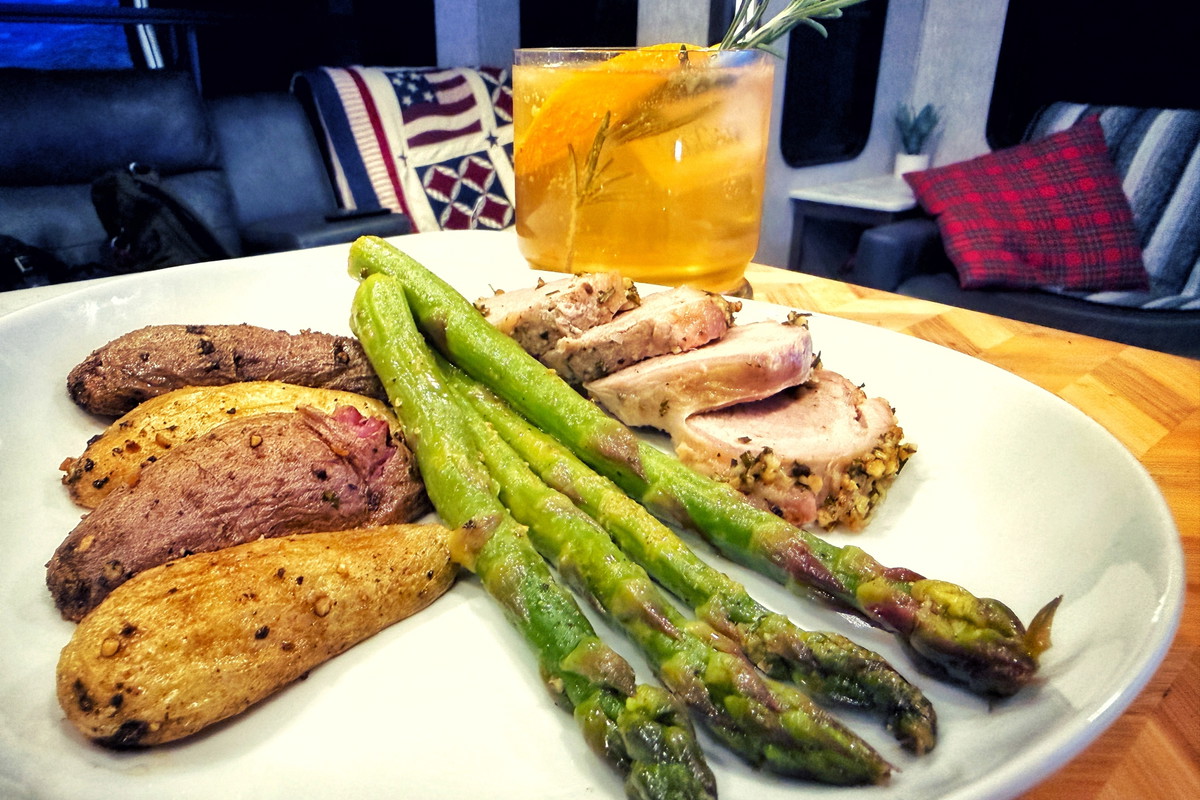
Savor a gourmet, restaurant-quality dinner right at home with this Garlic-Herb Roasted Pork Tenderloin. This effortless, one-pan-friendly meal pairs a succulent, herb-encrusted pork tenderloin with crispy, golden fingerling potatoes and a side of bright, lemony steamed asparagus. Infused with a fragrant paste of fresh rosemary, thyme, and minced garlic, the pork is roasted to juicy perfection, delivering a beautifully balanced plate that feels celebratory yet is simple enough for a busy weeknight.
The Ultimate Lean Protein: How Pork Tenderloin Compares
While pork is culinarily celebrated for rich cuts like bacon and pork belly, the pork tenderloin is a nutritional powerhouse. In fact, it is classified by the USDA as "extra lean," making it an ideal choice for heart-healthy and calorie-conscious diets.
Pork vs. Chicken: Many people default to skinless chicken breast when looking for a lean protein, but pork tenderloin is an equally impressive rival. Gram for gram, a 3-ounce serving of pork tenderloin has virtually the same amount of fat (under 3 grams) and calories as a skinless chicken breast, while offering a richer, deeper flavor profile. It is also an excellent source of essential micronutrients like thiamin (Vitamin B1), Vitamin B6, and zinc, outperforming chicken in several of these key categories.
Pork vs. Traditional Red Meat: Though often marketed as "the other white meat," pork is biologically classified as red meat. However, pork tenderloin lacks the heavy marbling and high saturated fat content found in standard cuts of beef (like ribeye or New York strip). It gives you the savory satisfaction, iron, and high-quality protein of red meat without the heavy fat load, bridging the gap between ultra-lean poultry and rich beef.
Pork in the United States: Popularity & History
Pork has a deeply rooted history in America, dating back to 1539 when Spanish explorer Hernando de Soto brought the first swine to the shores of Florida. These incredibly adaptable animals quickly became a staple for early European settlers. By the 17th and 18th centuries, pork had solidified itself as a cornerstone of the American diet because it could be easily cured, salted, and preserved to sustain families through harsh winters.
During the 19th century, as the nation expanded westward, cities like Cincinnati and Chicago became massive meatpacking hubs—earning Cincinnati the famous nickname "Porkopolis."
Today, pork remains immensely popular across the United States. Driven by the rich traditions of American barbecue—from the slow-smoked pulled pork of the Carolinas to the tender ribs of Memphis and Kansas City—pork is a cultural favorite. Modern agriculture has also adapted to consumer health demands; over the last few decades, American pork producers have successfully bred pigs to be significantly leaner than their historical ancestors. This recipe perfectly highlights that modern evolution, turning a historic American staple into a fresh, vibrant, and incredibly healthy contemporary meal.
Directions
Step 1: Prep and Preheat
Preheat your oven to 425°F (218°C)
Pat the pork tenderloin completely dry with paper towels.
In a small bowl, mix the minced garlic, rosemary, thyme, 1 tablespoon of olive oil, salt, and pepper into a paste. Rub this paste all over the pork tenderloin.
Step 2: Roast the Potatoes and Pork
Toss the halved fingerling potatoes with the remaining 1 tablespoon of olive oil, salt, and pepper.
Place the seasoned pork tenderloin in the center of a large baking sheet (or a roasting pan). Arrange the potatoes around the pork in a single layer, cut-side down (this gives them a beautiful golden crust).
Roast in the oven for 20 to 25 minutes
The Golden Rule for Pork: Remove the tenderloin when an instant-read thermometer inserted into the thickest part reads 140°F to 145°F (60°C to 63°C). Do not overcook it, or it will dry out!
- Transfer the pork to a cutting board and tent it loosely with aluminum foil.
Let it rest for 5 to 10 minutes so the juices redistribute. (If your potatoes aren't quite crispy enough yet, leave them in the oven while the meat rests).
Step 3: Steam the Asparagus
While the pork is resting, steam the asparagus
Bring about an inch of water to a boil in a pot equipped with a steamer basket or use a similar food steamer.
Add the asparagus to the basket, cover, and steam for 3 to 5 minutes until they turn bright green and are just tender when pierced with a fork.
Remove from the heat immediately and toss with the lemon juice, lemon zest, and a tiny pinch of salt.
Step 4: Serve
Slice the pork tenderloin into thick medallions. Plate them alongside a scoop of the crispy roasted fingerling potatoes and a bundle of the bright, lemony steamed asparagus.