Savory Steel-Cut Oat Porridge
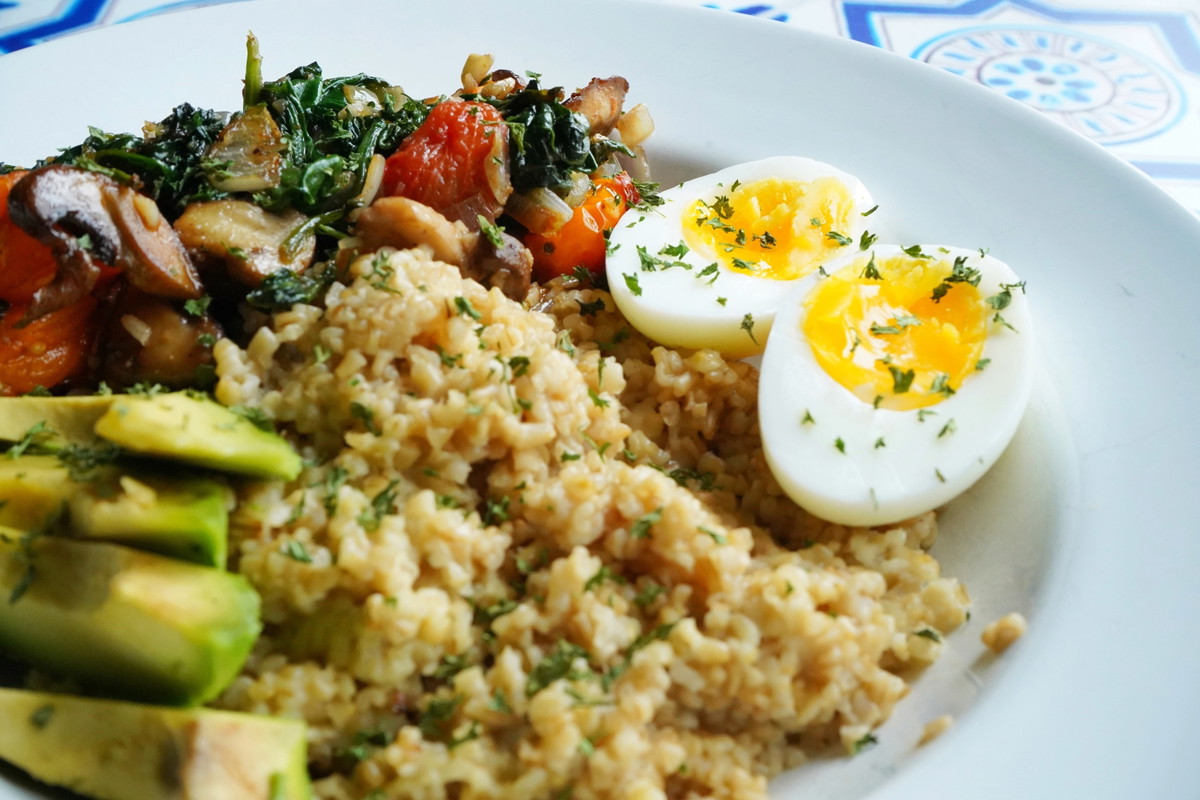
2
10 minutes
35 minutes
This savory steel-cut oat porridge is a hearty and flavorful dish, perfect for a satisfying breakfast or a light lunch. It takes a classic breakfast staple and gives it a savory twist, making it a versatile meal for any time of day.
A Brief History of PorridgePorridge has a long and fascinating history, dating back thousands of years. Here are some key points in its evolution:
Ancient Origins: Evidence of porridge consumption can be traced back to the Neolithic era, with residue found in ancient pots indicating the preparation of cereal-based meals. The history of porridge goes back to the Paleolithic era, during the earliest stages of human cooking.
A Global Staple: Throughout history, various forms of porridge have been a staple food in cultures around the world. In ancient Rome, "puls," a simple grain-based dish, was enjoyed by all classes. The Vikings had their own version called "grautr," often made with barley or oats.
Scottish Identity: In Scotland, porridge, particularly oatmeal porridge, became a symbol of national identity. Due to the harsh climate, oats were a more reliable crop than wheat, making oatmeal a staple for the lower classes for centuries. Traditionally, it was made with just water and a pinch of salt.
Beyond Breakfast: While often associated with breakfast, porridge has been consumed at all times of day throughout history. In Nigeria, a sweet potato porridge called "pottage" is a common meal for breakfast, lunch, or dinner.
Modern Revival: In recent years, porridge has experienced a resurgence in popularity. Its versatility and health benefits have made it a trendy and customizable dish, with countless variations and toppings to suit any taste. From savory to sweet, there's a porridge recipe for everyone.
Directions
Cook the Steel-Cut Oats
- Bring the chicken broth to a boil in a medium pot.
- Stir in the steel-cut oats, salt, and pepper.
- Reduce the heat to low, cover the pot, and simmer for 25–30 minutes, or until the oats are creamy and tender, stirring occasionally to prevent sticking. Add a splash of water or broth if it gets too thick before the oats are fully cooked.
Prepare the Toppings
- While the oats are cooking, prepare the egg(s) to your liking.
- Heat the olive oil in a large skillet over medium heat. Add the minced shallot and sauté for 2–3 minutes until softened.
- Add the minced garlic and sliced mushrooms to the pan. Sauté for 5–7 minutes until the mushrooms are browned and their liquid has evaporated. Season with a pinch of salt and pepper.
- Add the spinach to the skillet. Cook, stirring frequently, until the spinach has fully wilted, which should take 2–3 minutes. Turn off the heat.
Assemble and Serve
- Divide the cooked steel-cut oats between two bowls.
- Spoon the mushroom and spinach mixture over the top of the porridge in each bowl.
- Halve or slice the boiled egg and place it on the porridge.
- Arrange slices of avocado alongside the egg.
- Serve immediately, perhaps with a dash of your favorite hot sauce for an extra kick!